
Florida’s natural beauty and diverse ecosystems are invaluable assets that must be protected for future generations. Land use planning plays a critical role in preserving these natural spaces while balancing the needs of development and growth.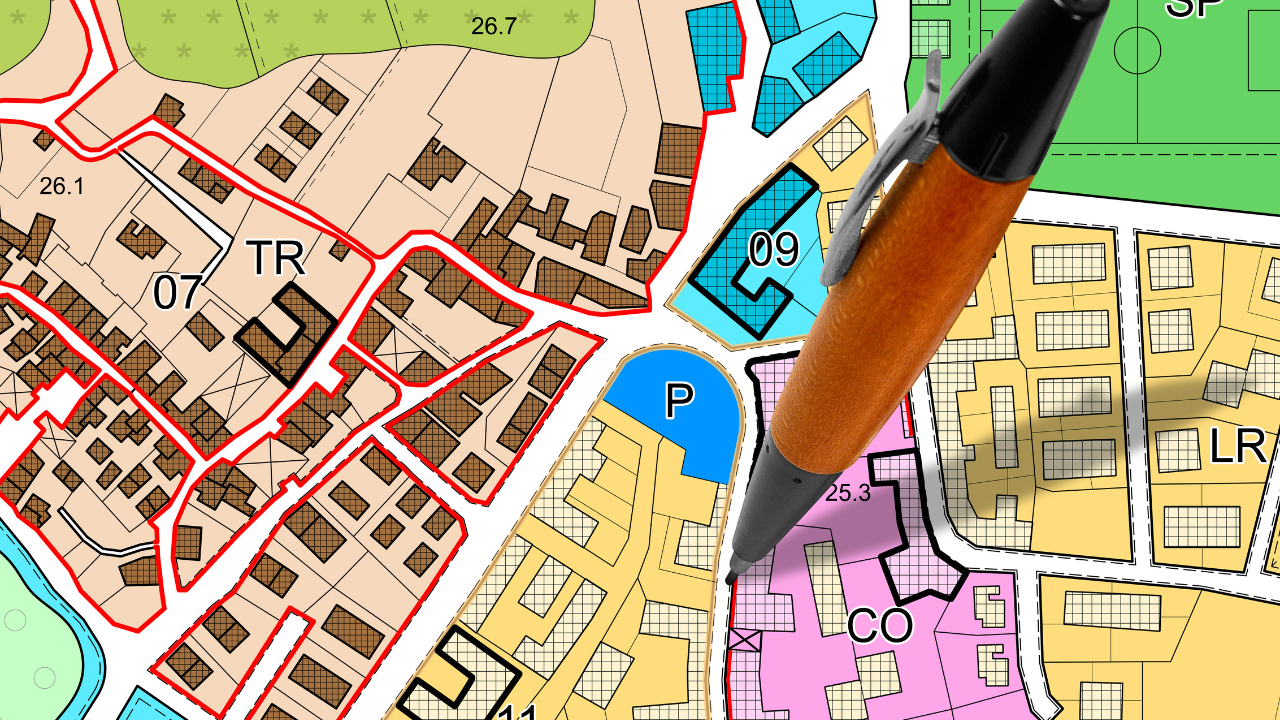
The Importance of Land Use Planning
- Conservation of Natural Resources: Effective land use planning can help protect critical ecosystems, such as wetlands, forests, and coastal areas, from development pressures.
- Preservation of Wildlife Habitats: By designating specific areas for conservation, land use planning can ensure the survival of Florida’s diverse wildlife populations.
- Mitigation of Climate Change: Preserving natural spaces helps to mitigate the effects of climate change by absorbing carbon dioxide and regulating water flow.
- Protection of Water Resources: Land use planning can help prevent pollution and protect Florida’s valuable water resources.
- Quality of Life: Preserving natural spaces contributes to a higher quality of life by providing opportunities for recreation, outdoor activities, and enjoyment of the natural environment.
Effective Land Use Planning Strategies
- Comprehensive Zoning: Implementing zoning regulations that balance development with conservation can help protect natural areas.
- Conservation Easements: Voluntary agreements that restrict land use to preserve natural features can be a valuable tool for conservation.
- Green Infrastructure: Incorporating green infrastructure elements, such as parks, green roofs, and rain gardens, into urban planning can help protect natural resources and improve water quality.
- Public Participation: Engaging the community in land use planning processes is essential for ensuring that local values and priorities are reflected in decision-making.
By prioritizing land use planning and conservation, Florida can safeguard its natural heritage and create a sustainable future for generations to come.