
Climate change presents a significant challenge to Florida’s real estate sector, with rising sea levels, increased storm intensity, and changing weather patterns threatening coastal communities. In response, stakeholders are implementing various adaptation strategies to mitigate risks and ensure the resilience of the state’s real estate market.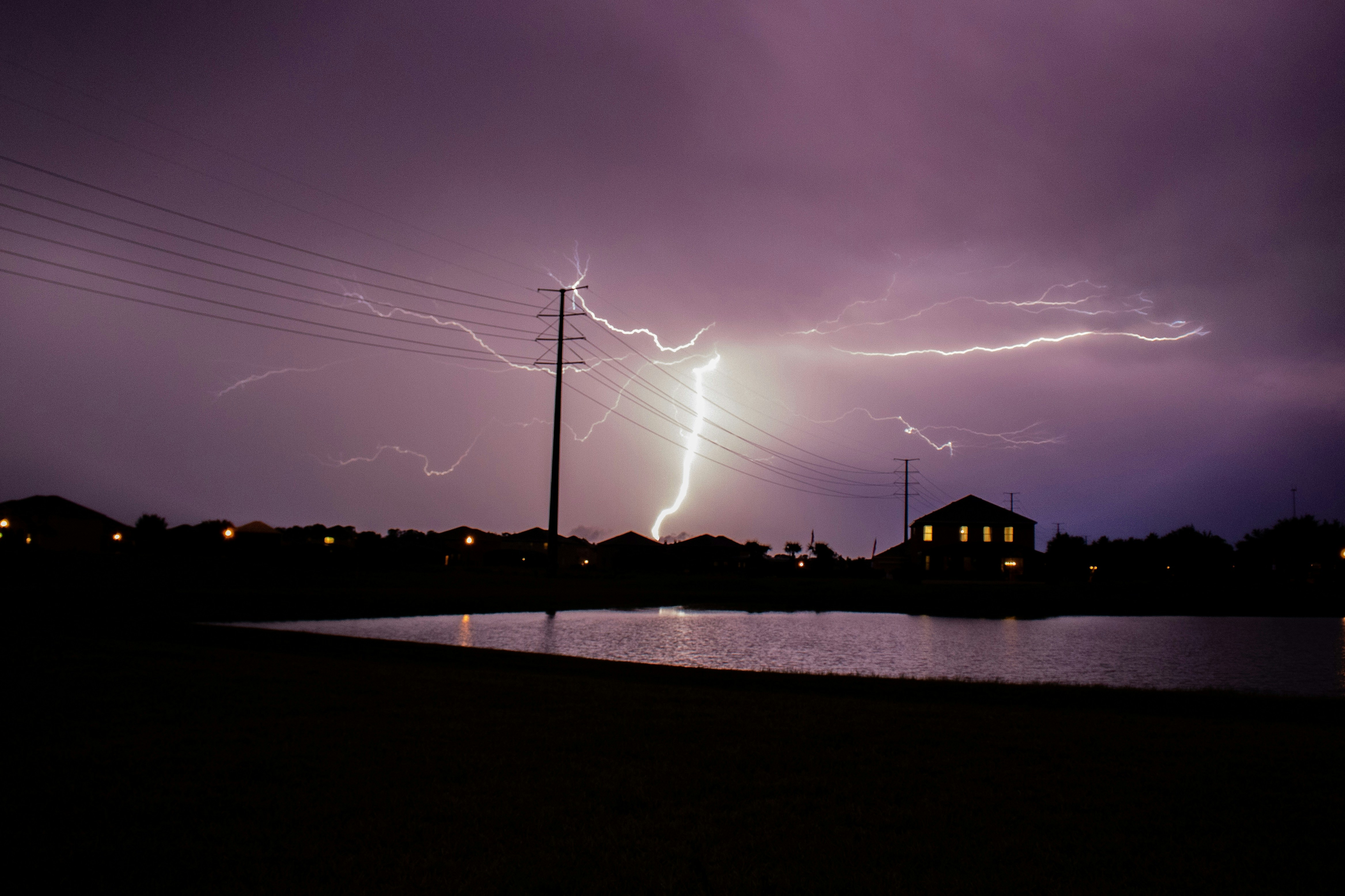
One adaptation strategy involves implementing building codes and regulations that incorporate climate resilience measures. This includes elevating structures, fortifying foundations, and using flood-resistant materials to withstand flooding and storm surges. Additionally, developers are designing new construction projects with climate change in mind, choosing locations and materials that minimize vulnerability to extreme weather events.
Investing in green infrastructure is another adaptation strategy gaining traction in Florida. Green roofs, permeable pavement, and rain gardens help manage stormwater runoff, reduce urban heat island effects, and enhance property values. Furthermore, incorporating renewable energy sources such as solar panels reduces reliance on fossil fuels and lowers utility costs for homeowners and businesses.
Community-level adaptation efforts are also essential for building resilience. Local governments are investing in coastal restoration projects, dune stabilization, and mangrove conservation to protect shorelines and buffer communities from erosion and storm damage. Additionally, zoning regulations are being updated to restrict development in flood-prone areas and encourage smart growth practices that prioritize resilience.
Real estate professionals play a crucial role in educating clients about climate risks and resilience strategies. By providing information on flood zones, sea level rise projections, and property-specific vulnerabilities, agents and brokers help buyers make informed decisions and mitigate potential risks. Additionally, incorporating climate resilience considerations into property appraisals and insurance assessments ensures that the true cost of climate risk is reflected in property valuations.
In conclusion, the impact of climate change on Florida’s real estate market is profound, but adaptation strategies offer hope for building resilience and safeguarding communities against future risks. By incorporating climate resilience measures into building practices, infrastructure investments, and community planning efforts, Florida can continue to thrive in the face of climate uncertainty.