
Virtual Reality (VR) is revolutionizing the real estate industry, offering immersive experiences that redefine the way properties are bought and sold. The impact of VR is felt across various facets of the real estate landscape, transforming the traditional methods of showcasing, designing, and selling properties.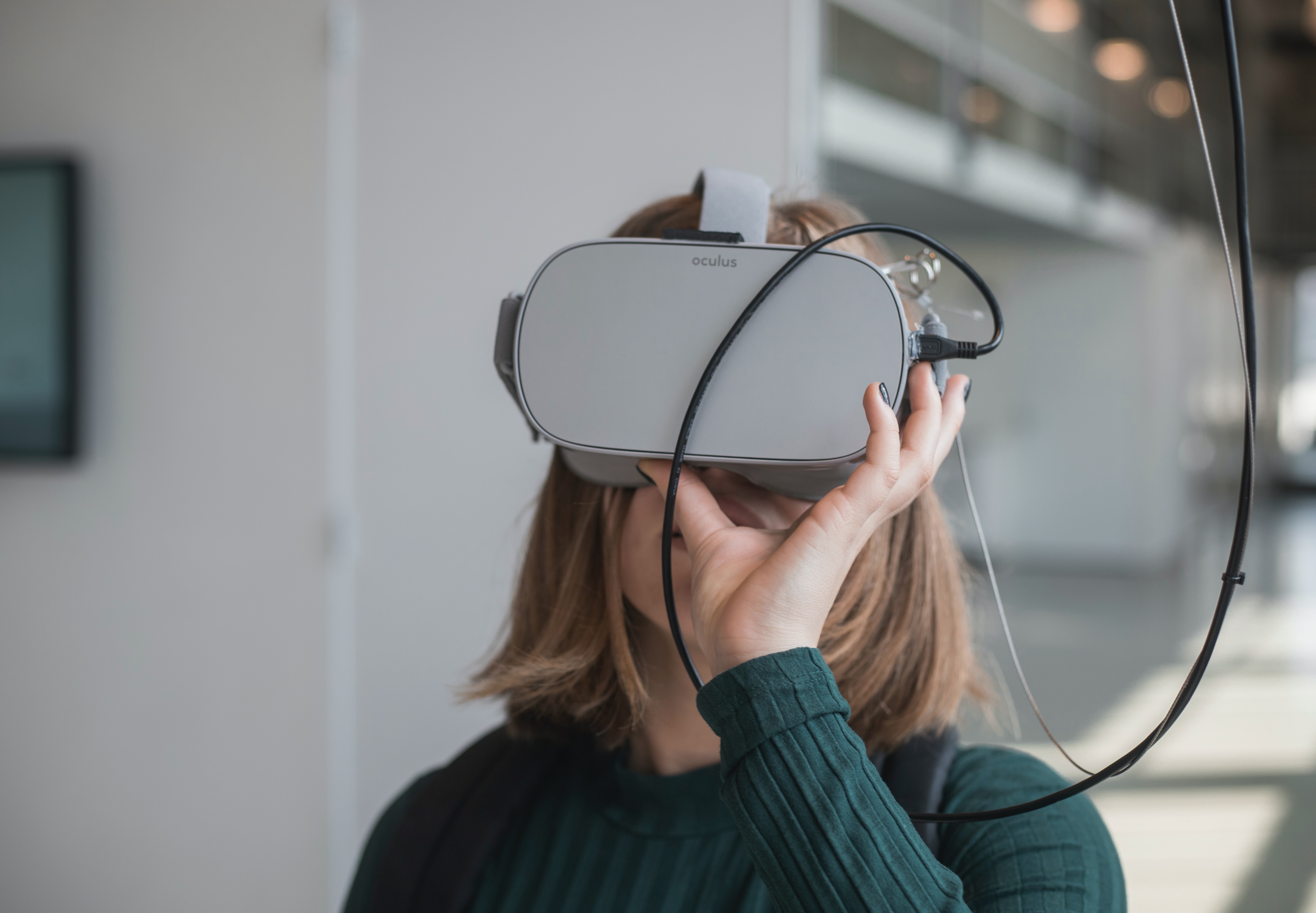
One of the primary applications of VR in real estate is virtual property tours. Prospective buyers can explore homes without physically being present, providing a realistic sense of space and design. This not only saves time for both buyers and sellers but also widens the reach of property listings to potential buyers who might be geographically distant.
Architects and designers are leveraging VR to enhance property visualization. Through virtual reality, clients can step into a property that is still in the planning phase. This immersive experience allows them to make more informed decisions about design elements, layouts, and even materials. It’s a game-changer for the industry, making the design process more collaborative and efficient.
Moreover, VR is contributing to the democratization of property viewing. International buyers can virtually walk through a property, getting a feel for its ambiance and layout before making long-distance decisions. This has broadened the market and made real estate a global endeavor.
In the marketing realm, VR is a powerful tool for creating memorable experiences. Real estate developers use VR to showcase upcoming projects, providing potential investors and buyers with a lifelike preview. This not only makes marketing more engaging but also instills confidence in stakeholders.
As technology continues to evolve, the integration of VR in real estate is likely to become more sophisticated. The trend is not just about enhancing visuals but about transforming the entire real estate experience. Virtual reality is creating a more accessible, efficient, and engaging real estate market, where boundaries are no longer defined by physical distances. The future promises more innovations, with VR at the forefront of reshaping how we perceive, interact with, and invest in real estate.