
The foreclosure crisis of 2008 is still fresh in the minds of many homeowners, especially those who lost their homes or experienced significant financial difficulties during that time. However, it’s important to understand that today’s foreclosure numbers are nothing like 2008.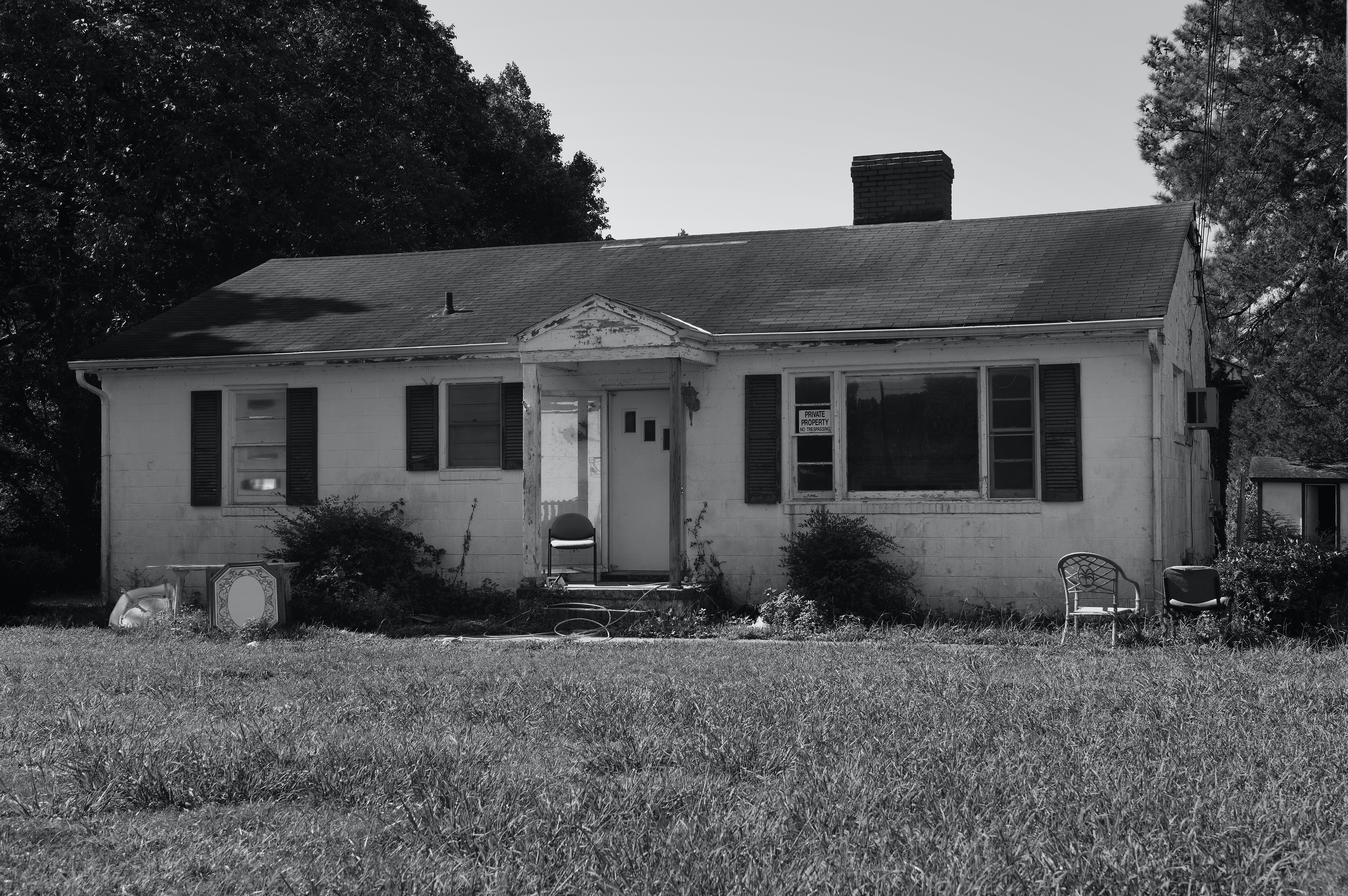
First, let’s look at the numbers. According to a recent report from ATTOM Data Solutions, foreclosure filings in the first quarter of 2021 were down 78% from their peak in the first quarter of 2010. In fact, foreclosure activity is at its lowest level since ATTOM began tracking this data in 2005.
So, why the significant decrease? One factor is the strong housing market. Homeowners today have more equity in their homes, which means they have a cushion to fall back on in case of financial hardship. Additionally, low mortgage rates and high demand for homes mean that homeowners who need to sell can often do so quickly and at a good price.
Another factor is the government’s response to the COVID-19 pandemic. Federal and state moratoriums on foreclosures and evictions have provided relief to homeowners who have been financially impacted by the pandemic. Additionally, lenders and servicers have implemented forbearance programs that allow homeowners to temporarily pause or reduce their mortgage payments.
It’s also important to note that the types of loans that led to the 2008 crisis are not as prevalent today. Subprime mortgages, which were often given to borrowers with poor credit or low income and had high interest rates and risky terms, were a major factor in the 2008 crisis. Today, these types of loans are much less common, and lending standards have become more stringent.
All of these factors combined have led to a significantly different foreclosure landscape than in 2008. While there may still be individual cases of foreclosure, they are not nearly as widespread as they were during the crisis. Homeowners who are struggling financially should still reach out to their lenders or a housing counselor for assistance, but they can take comfort in the fact that the likelihood of a foreclosure crisis similar to 2008 is low.
In conclusion, today’s foreclosure numbers are not like 2008 due to a strong housing market, government response to the pandemic, and changes in lending standards. Homeowners should stay informed about their options and reach out for help if needed, but they can feel confident that the likelihood of a crisis similar to 2008 is low.